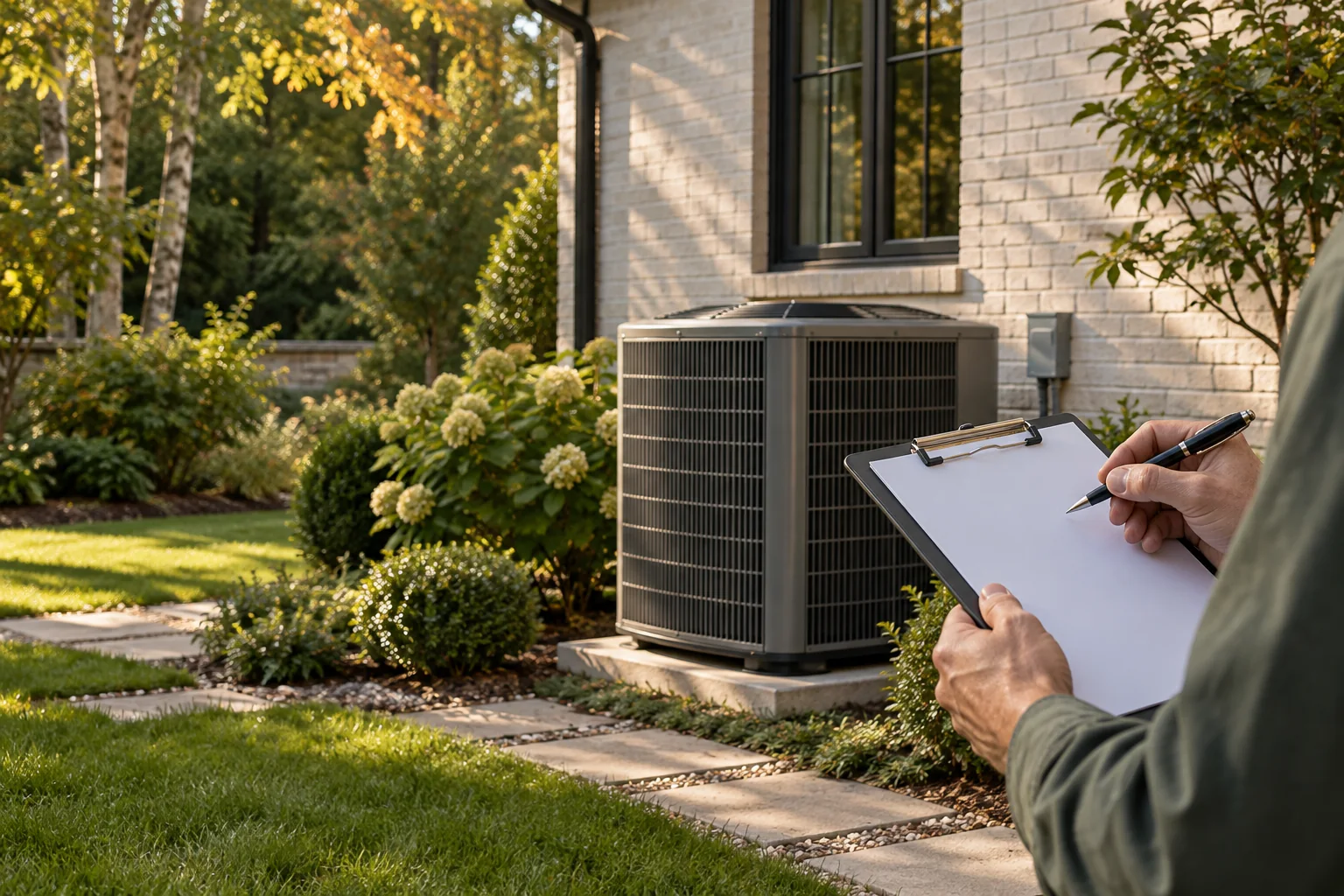
Put four facts on one page
Record the equipment model and approximate installation date, the current diagnosis, recent repairs, and the proposed work. Label unknowns rather than filling them with guesses. If you only have a replacement total, ask for the reason replacement was recommended and whether a repair option was assessed.
Compare options on the same basis
For the repair option, ask what is fixed, what remains uncertain, and the written warranty. For replacement, request the full equipment and installation scope. Ask each contractor which existing comfort problem their proposal is intended to address. A repair and a replacement solve different amounts of the problem; comparing only their totals hides that distinction.
Use warning signs as questions
ENERGY STAR suggests seeking professional advice when repairs become frequent, bills rise, or some rooms remain too hot or cold. Those observations justify investigation; they do not establish the failed part or a required purchase.
Reference: ENERGY STAR: When is it time to replace?. General guidance; equipment-specific advice requires an assessment.
Set your decision conditions before a sales visit
Decide what information would make you comfortable approving work. That might include a documented fault, a second opinion on a major recommendation, or a written explanation of a sizing decision. Give yourself a way to compare the choices without relying on a discount deadline.
Your worksheet
Write: “The diagnosed problem is ___. The repair includes ___. The replacement includes ___. What neither option has explained is ___.” Ask the contractor to address the last line. Keep the answer with the quote so you can revisit it when comparing a second proposal.
Where to go next
Explore AC repair planning or review replacement and second opinions. For a line-by-line comparison, use the HVAC quote checklist. These guides support the conversation; an on-site assessment is still needed for equipment advice.